
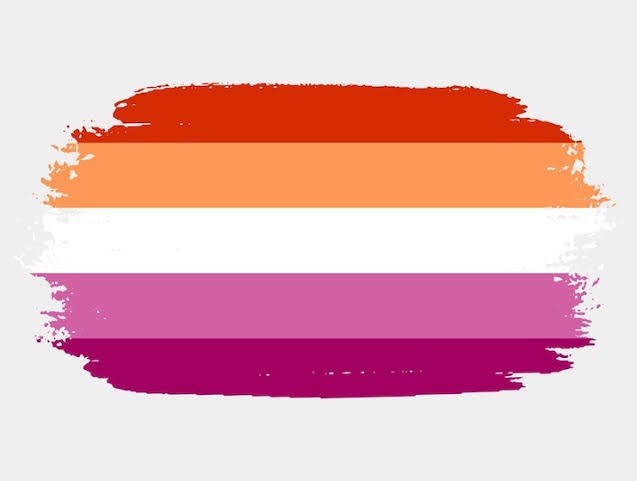
It was years after retirement when I realized that I had once had a massive crush on one of my teammates in the gym. I just thought she was really, really pretty. And so nice. And I would get a little excited when she and I were in the same training group. Everyone gets anxious around pretty girls, right?
But the world of gymnastics is one of conformity and achieving a narrow definition of perfection, so I buried any sort of questioning about my sexuality or feelings of being somehow different from the other girls behind the all-consuming identity of “gymnast.”
I grew up in the gym, starting in Mommy and Me classes at age three and retiring when I graduated high school. I did not know a life without gymnastics until I was an adult. I went straight to the gym after school more often than I went home. I spent the equivalent of a part time job each week training. When not in the gym, I watched gymnastics, read about gymnastics, talked about gymnastics, and practiced skills at home. “Gymnast” was the first identifier I listed when asked to describe myself. It was the way I defined myself all through childhood and a label that easily masked feelings and identities I wasn’t ready to face yet.
I ignored the ways in which I felt different, like I didn’t fit in, because the role of “gymnast” was a blueprint for how I should look, behave, and what to be interested in. “Gymnast” was my main identity.
Gymnastics allows for minimal personal expression and those who fit the concept of what a gymnast “should” look and behave like are rewarded. Small and dainty, but also powerful and strong. Quiet, obedient, and hard working. Fearless and never complaining about injury. Graceful and respectful.
This environment of perfection and obedience leaves very little room for a teenager to explore and express their identity beyond being an athlete. Uniformity is encouraged: look like the gymnast beside you and behave like the gymnast beside you.
In my fifteen years in the sport I never saw an example of a queer gymnast. The assumption of heteronormativity was quietly understood and the world of gymnastics not one where personal expression and exploration is encouraged beyond one’s floor choreography. I did not see an example of a queer gymnast until I was fully into adulthood and no longer an athlete. And while I am now seeing a handful of elite and NCAA athletes begin to openly identify as queer, it continues to be treated as more of an anomaly; somehow at odds with the idea of what a successful gymnast can be.
Only with distance from the sport, freedom to explore my identity outside of athletics, therapy, and self-growth have I been able to explore and embrace the identities that I put on hold during my years in the gym and recognize the ways I hid behind my identity as a gymnast to suppress my questioning of my sexuality.
Since coming out, I now work as a gymnastics coach and my own experiences as an athlete heavily shape the way I coach. I am honest with my gymnasts when they ask me about myself because it is important to me that I can now be the representation that I never saw as a gymnast. I would go to the ends of the Earth to ensure that my kids have an affirming experience with gymnastics and it never feels at odds with their sense of self or identity.
I have a soft spot for the quiet, anxious kids who remind me of the gymnast I used to be, and it is healing to my inner child to be the supportive and affirming figure I desperately needed when I was a young athlete. Above all else, I want my gymnasts to know that all I ask is for them to try their best. I meet their tears with hugs and comfort and thank them for their effort when they are getting frustrated. I ask them what they need and how I can support them. Corrections come with a “good effort” because I know how demanding and difficult this sport truly is. I answer their questions and concerns with honesty and respect because even though I am an authority figure in their lives, I strive to be a safe person for them in any way they could possibly need me. I treasure the little gifts my kids give me and, whether or not they continue in gymnastics, I wholeheartedly support them and wish them nothing but the best.
Gymnastics was my entire life for fifteen years and the culture and pressures of the sport contributed to me remaining in the closet until I retired. But being an athlete is not mutually exclusive to exploring one’s identity. I look forward to the day that queer athletes are celebrated and embraced for their full and authentic selves in every sport.
Until then, I will be here queering the space.
 Emma Talks Sports
Leave a comment